Profile
John Doe
Explorer
3200 Points
Upcoming Trips
- 5 May - Mount Batur
- 15 May - Uluwatu Show
- 28 May - Rice Terraces
Explorer
3200 Points
 All Categories
312
All Categories
312
 Adventure
2
Art Gallery
6
Attraction
1
Ayurveda Retreat
1
Ayurvedic Center
1
Adventure
2
Art Gallery
6
Attraction
1
Ayurveda Retreat
1
Ayurvedic Center
1
 Beach
40
Castle
3
Beach
40
Castle
3
 Cave Temple
1
Church
4
Cultural Landmark
1
Cave Temple
1
Church
4
Cultural Landmark
1
 Entertainment
1
Forests & Parks
3
Entertainment
1
Forests & Parks
3
 Fort
10
Haunted Location
1
Historic Landmarks
3
Historic Place
1
Fort
10
Haunted Location
1
Historic Landmarks
3
Historic Place
1
 Historical Monuments
4
Historical Monuments
4
 Historical Site
4
Historical Site
4
 Lake
4
Lake
4
 Luxury Hotel
1
Monastery
1
Monument
3
Luxury Hotel
1
Monastery
1
Monument
3
 Museum
4
Museum
4
 National Park
5
National Park Attraction
1
Natural Landmark
1
Natural Wonder
1
Nature & Parks
5
Nature & Wildlife
4
Nature Park
1
National Park
5
National Park Attraction
1
Natural Landmark
1
Natural Wonder
1
Nature & Parks
5
Nature & Wildlife
4
Nature Park
1
 Park
2
Park
2
 Parks & Gardens
1
Religious Places
9
Religious Sites
3
Parks & Gardens
1
Religious Places
9
Religious Sites
3
 Resort
5
Resorts
1
Temple
91
Temples
5
Resort
5
Resorts
1
Temple
91
Temples
5
 Waterfall
27
Wellness & Healing
1
Wellness & Retreats
2
Wellness Center
6
Wellness Retreat
3
Waterfall
27
Wellness & Healing
1
Wellness & Retreats
2
Wellness Center
6
Wellness Retreat
3
 Wildlife Sanctuary
2
All Categories
Wildlife Sanctuary
2
All Categories


Standing atop a secluded hill in southwest Louisville, the Waverly Hills Sanatorium is one of the most famous abandoned structures in North America. Spanning over five stories and designed in impressive Tudor Gothic architecture, the main building once served as a state-of-the-art facility dedicated to treating patients suffering from the devastating outbreak of tuberculosis, commonly known as the White Plague, in the early to mid-20th century.Today, Waverly Hills is celebrated both as a preserved historical monument and a hotspot for paranormal enthusiasts worldwide. Visitors can explore its colossal hallways, view the iconic open-air patient porches, and experience the infamous body chute (a 500-foot underground tunnel originally built to transport supplies and later used to discreetly transport deceased patients). Whether you are drawn by a fascination with medical history, architectural preservation, or ghosthunting lore, stepping onto the grounds of Waverly Hills offers an unforgettable and deeply evocative experience.

Tucked deep within the remote red-rock side canyons of the Grand Canyon system lies Havasu Falls, one of the most famous and striking natural wonders in North America. Known for its brilliant turquoise-blue water contrasting vividly against fiery orange and crimson limestone cliffs, Havasu Falls drops approximately 90 to 100 feet into a series of inviting travertine plunge pools.The extraordinary blue-green color of the water stems from high concentrations of dissolved calcium carbonate and magnesium, which reflect sunlight and continuously form dynamic mineral deposits that reshape the pools over time. Visitors must hike 10 miles from the trailhead at Hualapai Hilltop down through dusty desert canyons to reach the Havasupai Reservation village of Supai and the nearby campground.Access is strictly controlled by the Havasupai Tribe, and visiting requires planning months or even years in advance. Swimming in the refreshing, year-round 70°F (21°C) waters after a arduous trek through the desert is an unforgettable bucket-list experience for outdoor enthusiasts worldwide.
Havasu Falls is one of the most magnificent and iconic natural wonders in North America. Located within the Havasupai Indian Reservation in a side canyon of the Grand Canyon, this world-renowned waterfall plunges approximately 100 feet (30 meters) into vibrant turquoise-blue plunge pools created by high travertine deposits.The striking contrast between the fiery red sandstone canyon walls and the vivid turquoise water makes it a dream destination for hikers, backpackers, and photographers worldwide. Visiting Havasu Falls is an immersive backcountry adventure that requires advance planning, physical fitness, and respect for the local indigenous community.
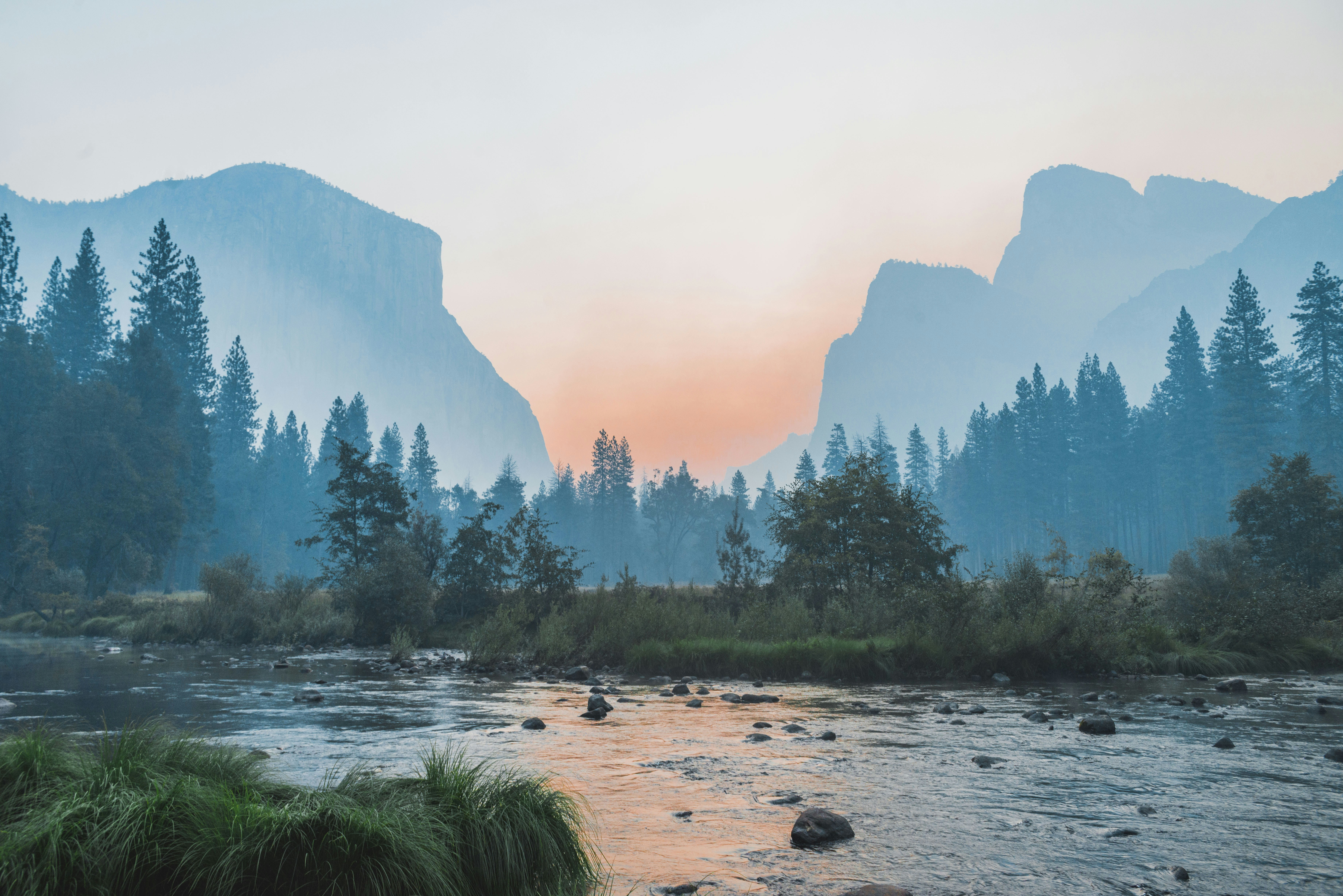
The Enchanting Blue-Green HavenTucked deep within a remote canyon on the Havasupai Indian Reservation, Havasu Falls is one of the most mesmerizing natural wonders in North America. Plummeting approximately 100 feet over fiery red limestone cliffs into vivid calcium-carbonate-rich pools, the waterfall creates a striking contrast that feels almost surreal.The name Havasupai translates to 'People of the Blue-Green Water,' referring directly to the unique mineral composition that gives Havasu Creek its distinctive turquoise hue. Visiting Havasu Falls is not merely a day trip—it is an immersive wilderness journey requiring a challenging 10-mile trek each way or a pre-arranged helicopter flight.What to ExpectSurrounded by cottonwood trees and steep canyon walls, the area around the falls provides natural shade and inviting swimming holes. Travelers can spend their days floating in the warm water, exploring nearby falls such as Mooney Falls and Beaver Falls, and resting under the starry desert sky at the nearby campground located between Havasu Falls and Mooney Falls.
Rising majestic above the tree line on Anastasia Island, the St. Augustine Lighthouse & Maritime Museum is one of Northeast Florida's most beloved landmarks. Towering 165 feet into the sky with its distinctive black-and-white spiral stripes and vivid red lantern room, this active aid to navigation invites travelers to step back in time and experience coastal maritime history firsthand.Visitors who brave the 219 spiraling iron steps to the top observation deck are rewarded with unmatched 360-degree views of Matanzas Bay, downtown St. Augustine, and the vast expanse of the Atlantic Ocean. Beyond the climb, the beautifully preserved light station complex features a restored 1880 Keepers' House, interactive ship restoration exhibits, archaeological artifacts salvaged from local shipwrecks, and tranquil nature trails beneath ancient live oaks draped in Spanish moss.Whether you are a history enthusiast, an architecture admirer, or a family seeking an unforgettable adventure, the lighthouse grounds offer an immersive look into centuries of seafaring traditions, keeper lore, and marine preservation.
Nestled against the breathtaking backdrop of Rocky Mountain National Park, The Stanley Hotel stands as a grand symbol of turn-of-the-century American luxury. Opened in 1909 by Freelan Oscar Stanley (co-inventor of the Stanley Steamer automobile), this iconic 140-room hotel has welcomed US presidents, Hollywood stars, and travelers seeking mountain solitude for over a century.Beyond its striking white facade and stately red roofs, the property offers a rich mix of modern comfort, fine dining, and supernatural intrigue. It gained pop-culture immortality after inspiring author Stephen King to write his legendary horror novel, The Shining, after a stay in Room 217.Visitors today can indulge in craft whiskey at the Cascades Restaurant & Lounge, take guided historical or ghost tours, or simply relax on the expansive front porch overlooking Lake Estes and the Continental Divide.
Eastern State Penitentiary was once the most famous and expensive prison in the world. Located in the heart of Philadelphia, Pennsylvania, it operated from 1829 until 1971. Today, it stands in a state of preserved ruin, offering visitors an immersive look into American history, criminal justice reform, and architectural grandeur.Designed by architect John Haviland, the prison introduced the world to the 'Pennsylvania System'—a philosophy centered on strict solitary confinement and spiritual reform rather than corporal punishment. Its striking neo-Gothic exterior, complete with imposing guard towers and fortress-like stone walls, contrasts sharply with the soaring, sky-lit cellblocks inside.Visitors can explore sprawling cellblocks, view former inmate cell interiors—including the famous cell occupied by mobster Al Capone—and engage with modern art installations and educational exhibits addressing contemporary criminal justice issues.
Nestled beneath a canopy of centuries-old live oaks draped in Spanish moss, The Myrtles Plantation in St. Francisville, Louisiana, stands as an iconic example of French Creole and Greek Revival architecture. Built in 1796, this historic home offers visitors a captivating blend of Southern charm, rich historical heritage, and mysterious ghost lore that has earned it a reputation as one of 'America's Most Haunted Homes'.Visitors to The Myrtles can stroll along the 125-foot wrap-around veranda, admire intricate ironwork, and take guided historical tours detailing the lives of the families who inhabited the property over two centuries. Beyond its supernatural intrigue, the plantation operates as a charming bed and breakfast with an on-site restaurant, 1796, serving farm-to-table Southern cuisine.